
Read More

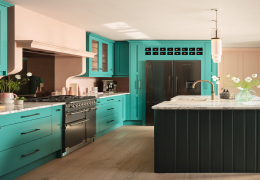
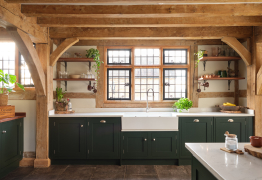
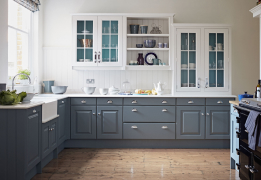
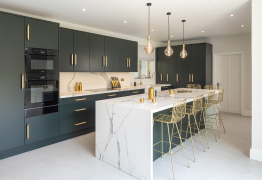
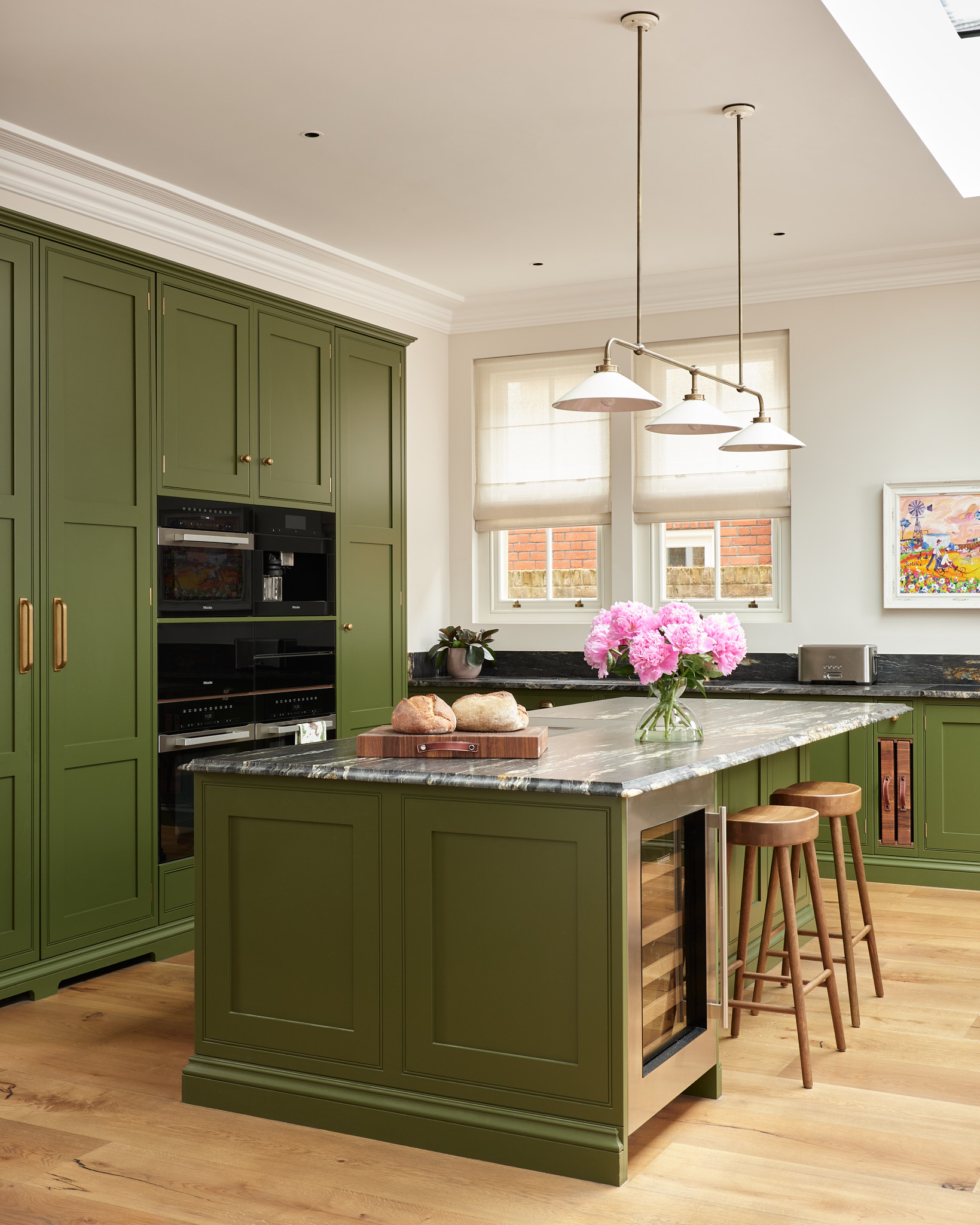
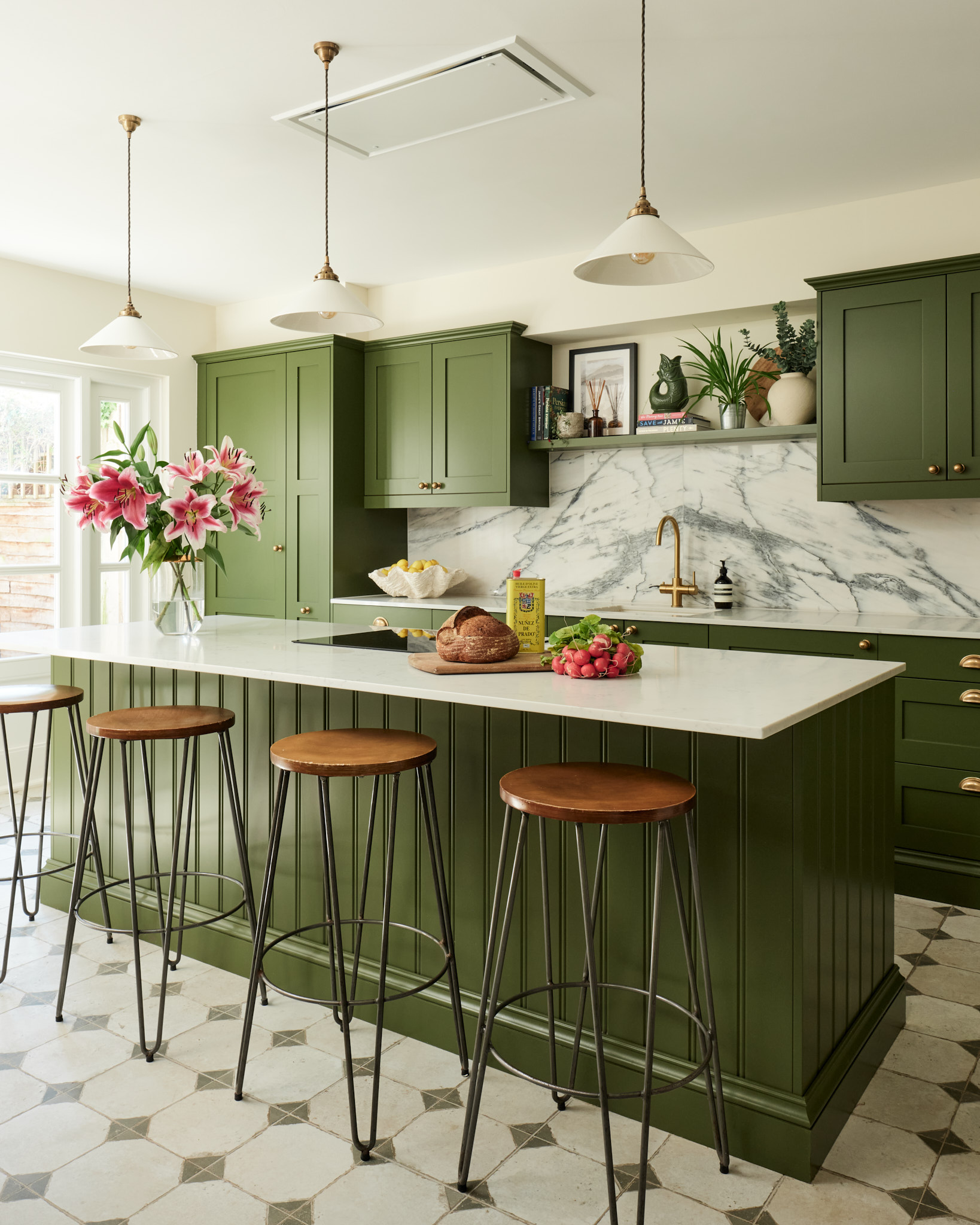
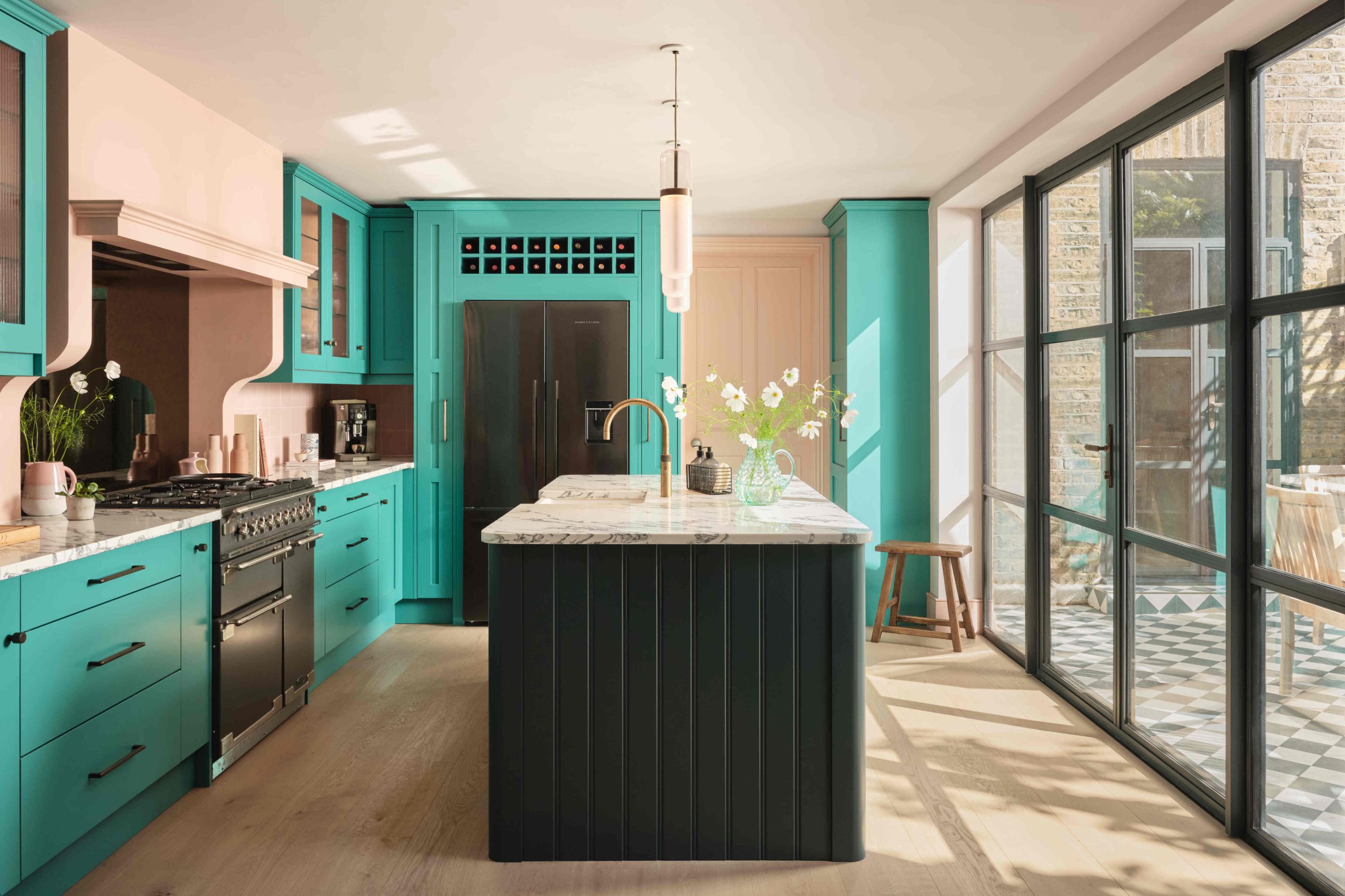
As the cold weather persists, those unhurried summer afternoons by the sea, the feeling of salt air brushing past your cheeks can feel far removed. Yet by introducing a palette of sea-washed tones, the sense of space, light and ease found in coastal living can be translated seamlessly into the kitchen. From layered blues to sun-softened neutrals, thoughtfully chosen colours and materials allow the calm of a shoreline retreat to be expressed in a way that feels enduring rather than seasonal.
Read on to discover how to create a kitchen that reflects the character of the coast, through considered design and craftsmanship.

When imagining the coast, the mind naturally turns to the ocean’s boundless spectrum of blues. Shades such as cerulean, navy, indigo, sky blue and turquoise bring a rich coastal elegance to the kitchen, mirroring the sea’s naturally layered tones.
Selecting the right shade depends on the atmosphere you wish to achieve and how colour interacts with light, texture and surrounding materials. Softer tones such as Ash Blue or pale sky hues can enhance light and openness in smaller kitchens, while deeper shades like Navy or Blake Blue bring a more architectural presence, grounding the room with a sense of permanence.
Richer coastal tones including cerulean, Marina Blue, Persian Green and turquoise offer a more contemporary interpretation of coastal colour, adding character without overpowering the space. In bespoke kitchens, these hues are most effective when paired with carefully considered finishes, allowing cabinetry, islands or feature areas to become expressive focal points.

White remains a timeless foundation within coastal kitchen design, valued for its ability to amplify light and create a sense of clarity and space. Crisp white cabinetry and walls capture the brightness and openness of the seaside, offering a calm backdrop that allows other materials and colours to sit comfortably within the scheme.
Used alongside blue, white evokes the scene of seafoam and surf, while pairings with soft greys, brushed metals or white-washed timber introduce subtle contrast and depth. In a well designed kitchen, white is never stark; instead, it acts as a unifying element, bringing balance and cohesion to layered colour palettes.

For a warmer interpretation of coastal design, sandy neutrals and gold-toned accents offer an understated alternative to blue-led palettes. Reminiscent of shoreline sunsets and shifting sand dunes, these sunlit hues sit elegantly alongside whites and creams, adding depth and radiance to the space.
Muted beiges, soft taupes and gentle creams work particularly well with painted cabinetry, natural stone worktops and timber flooring. When paired with brushed brass or warm metallic details such as handles, taps or lighting these tones add depth and a sense of refinement that suits both contemporary and traditional kitchens.

Beyond blues and neutrals, sun-faded pastels spring to mind when thinking of coastal colour schemes. Muted greens, softened pinks and pale lavender tones remind us of seaside details; painted beach huts, parasols, and evening skies, introducing colour in a way that feels relaxed rather than playful.
Pastels are most effective when used with restraint. Softly coloured cabinetry or a gently contrasting kitchen island can add character without overwhelming the space, while pastel splashbacks provide a subtle layer of interest that sits comfortably alongside whites and natural materials.
To explore these tones further, shades such as Blossom, Snowdrop, Lichen and Forget-Me-Not feature within the bespoke paint collections offered by John Lewis of Hungerford, designed to integrate seamlessly with handcrafted cabinetry and timeless interiors.

Texture plays a vital role in translating coastal influence into a kitchen that feels grounded and authentic. Natural materials bring warmth and authenticity to a space, reflecting the organic forms found along the shoreline.
Drawing inspiration from biophilic design, incorporating natural beachside materials such as timber or woven textures fosters a subtle yet powerful connection to the coast. From handcrafted wooden shelving to timber flooring and worktops, wood offers both warmth and tactile depth. For a quiet nod to the shoreline, opt for wicker baskets or driftwood panelling to add understated layers of texture, character and functionality to your kitchen.
Statement stone surfaces, particularly veined marble or quartz inspired by natural formations, create a refined focal point. Patterns that echo the movement of sand or weathered rock add depth and interest, reinforcing a sense of connection to nature while maintaining a polished, considered aesthetic.

Accessories provide the finishing layer in a coastal kitchen, and subtlety is key. Rather than overt nautical motifs, consider materials and forms that reference the sea in a more restrained way. Patinated metals, softly textured ceramics and pendant lighting crafted from natural materials can all contribute to the overall atmosphere.
Personal objects such as glass vessels filled with sea glass or shells gathered over time bring a sense of meaning and narrative, ensuring the space feels lived-in rather than styled.
Greenery completes the scheme, introducing freshness and movement. Plants such as eucalyptus, mint or monstera thrive in kitchen environments, softening architectural lines while enhancing air quality and visual balance.

Through considered colour palettes, natural materials and thoughtful detailing, it is possible to create a space that feels calm, balanced and lasting, one that reflects the character of the coast while supporting everyday living.
For those seeking to realise a coastal-inspired kitchen through bespoke design, John Lewis of Hungerford offers handcrafted kitchens, furniture and an award-winning paint collection, all tailored to individual homes and lifestyles. Explore the latest brochure or arrange a complimentary design consultation to begin shaping a kitchen that feels both personal and enduring.
We value your privacy
We use cookies to enhance your browsing experience, serve personalized ads or content, and analyze our traffic. By clicking “Accept All”, you consent to our use of cookies.


