
Read More

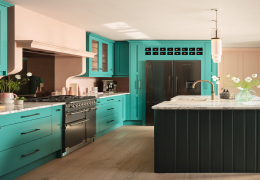
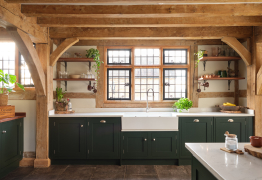
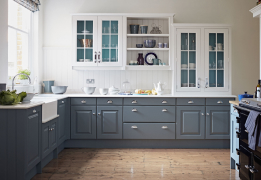
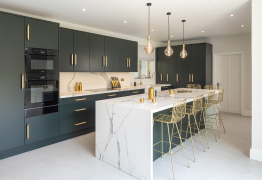
As our homes evolve to support how we truly live, working, relaxing, entertaining and everything in between, the need for spaces that feel both functional and considered has never been greater. One of the most effective yet often overlooked design solutions is built-in seating.
Whether integrated into a kitchen, tucked beneath a window, or designed into a hallway or boot room, bespoke seating transforms underused areas into purposeful, comfortable spaces. It allows you to maximise storage, improve flow and create natural places to pause, gather and connect.
When thoughtfully designed, built-in seating doesn’t feel like an addition, it becomes part of the architecture of the home.
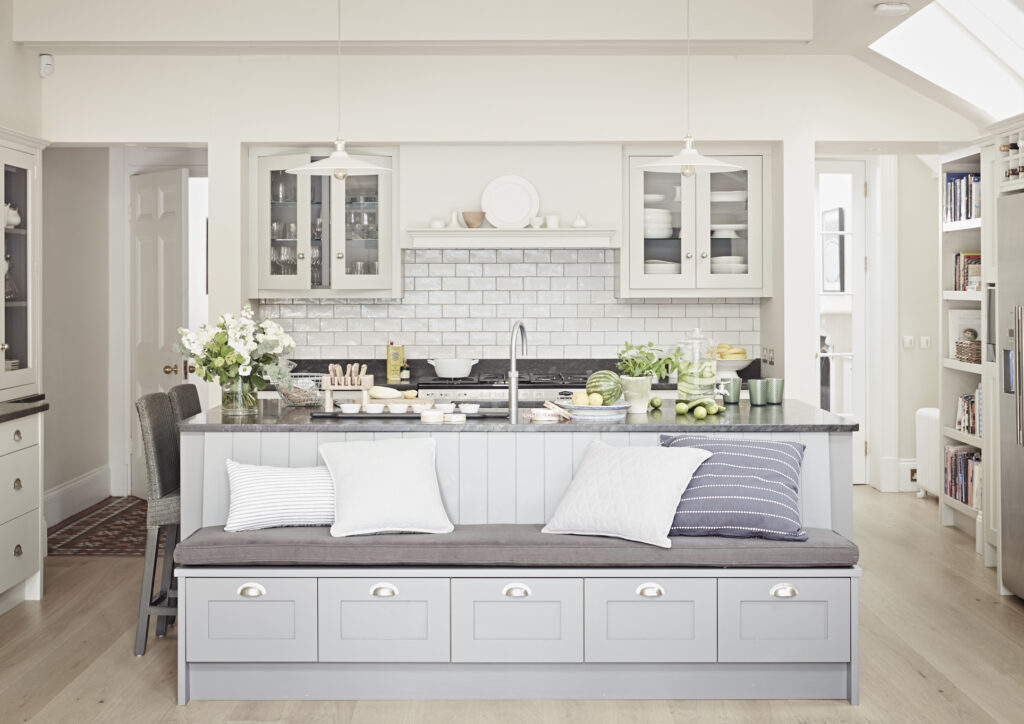
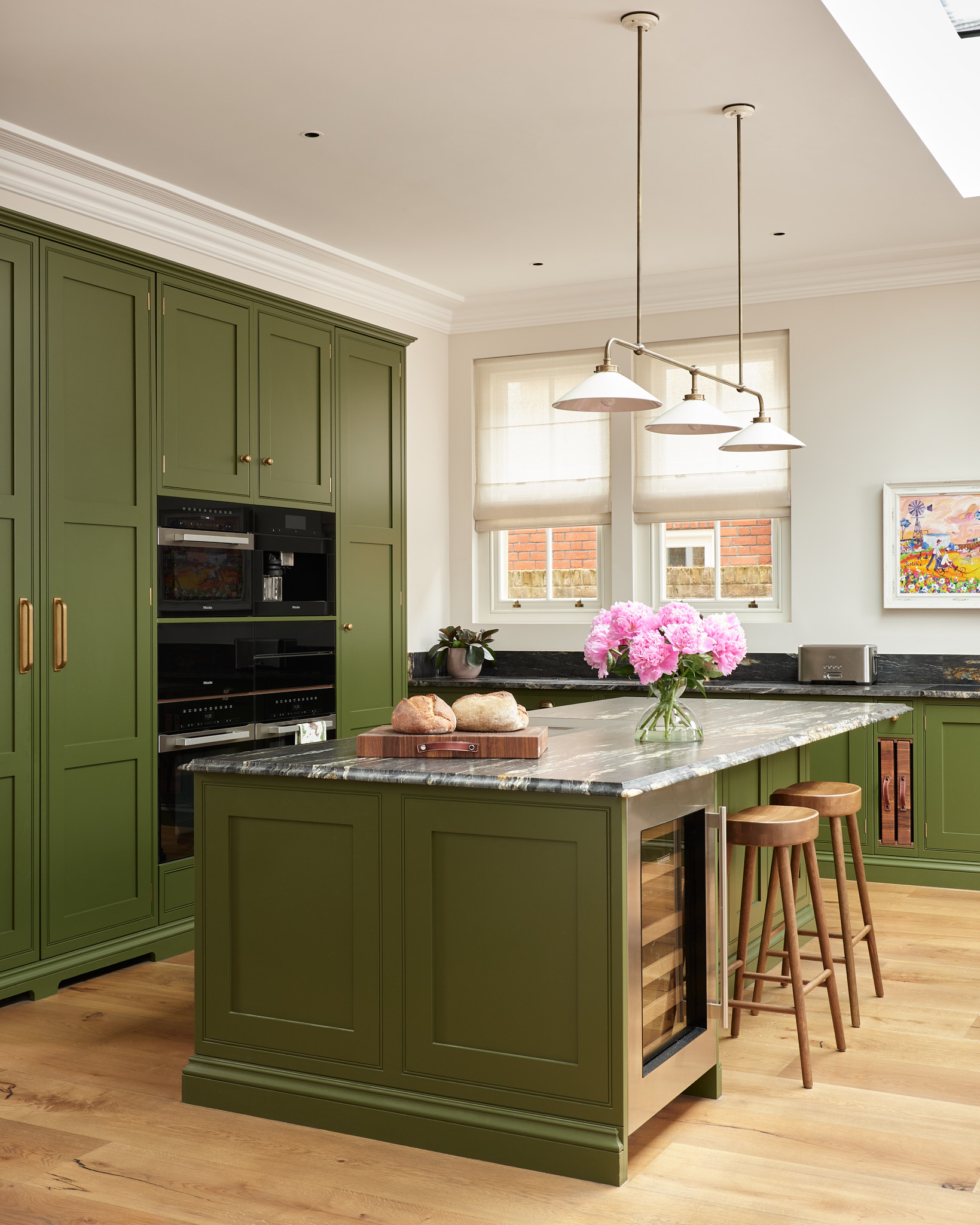
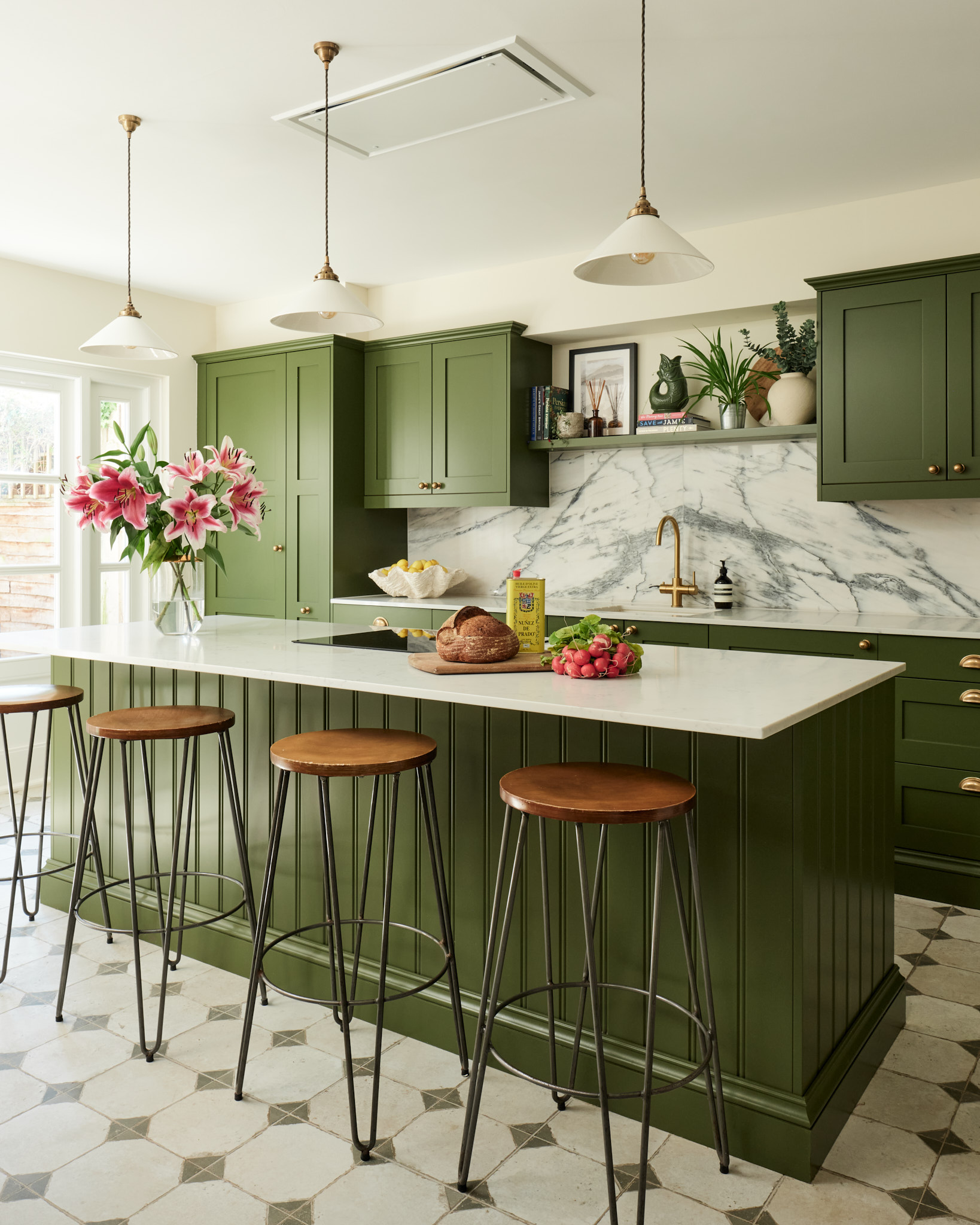
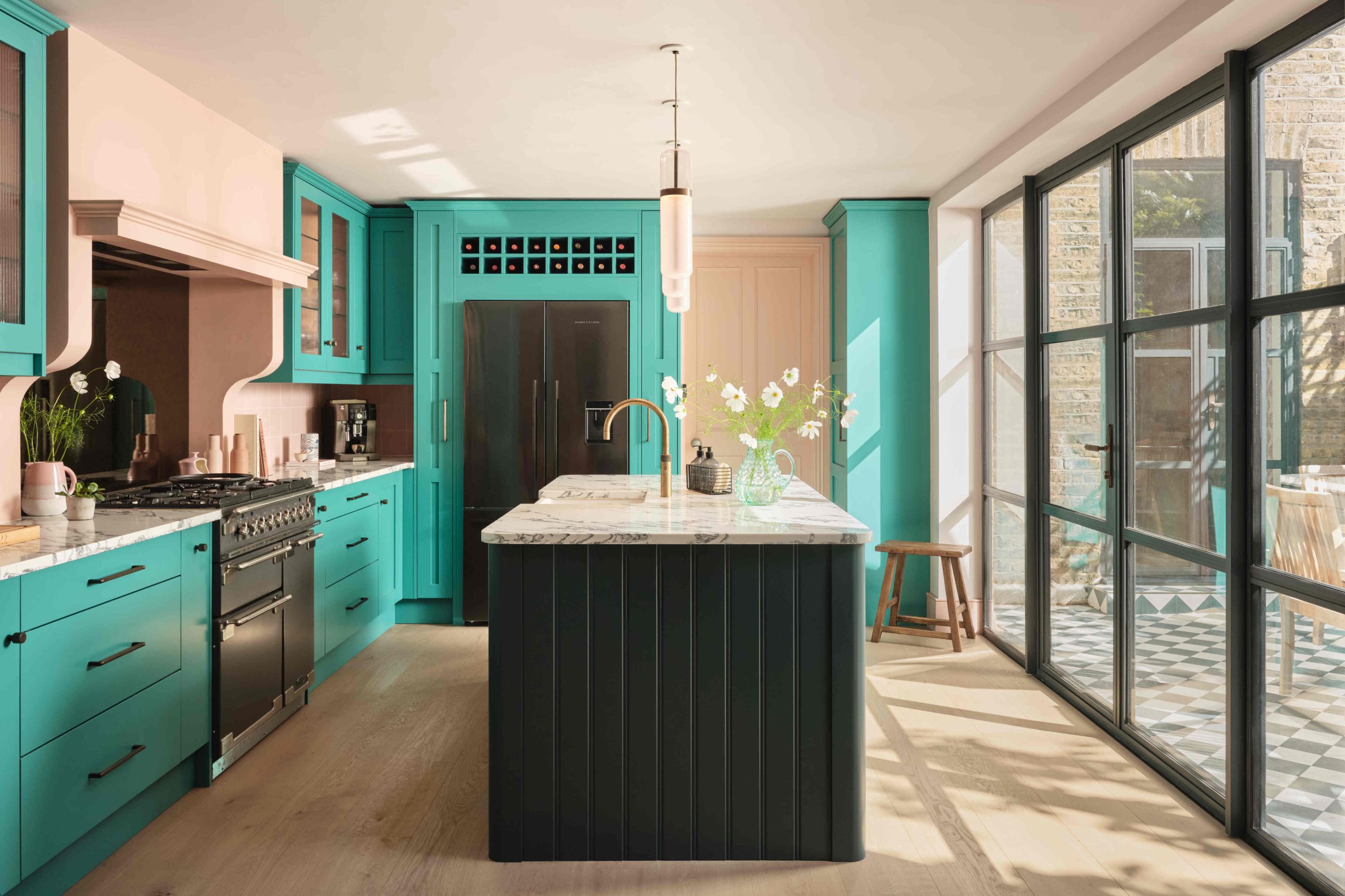
Integrated seating within a kitchen island creates a natural place for connection, somewhere to gather, eat, work or simply spend time together.
Blending comfort with practicality, built-in island seating softens the kitchen and encourages a more relaxed, sociable atmosphere. Carefully considered proportions, including overhang depth, legroom and seat height ensure the space is as comfortable as it is functional.
To maximise efficiency, storage can be seamlessly integrated beneath seating, while accessories such as pendant lighting above helps define the area as a central feature within the room.
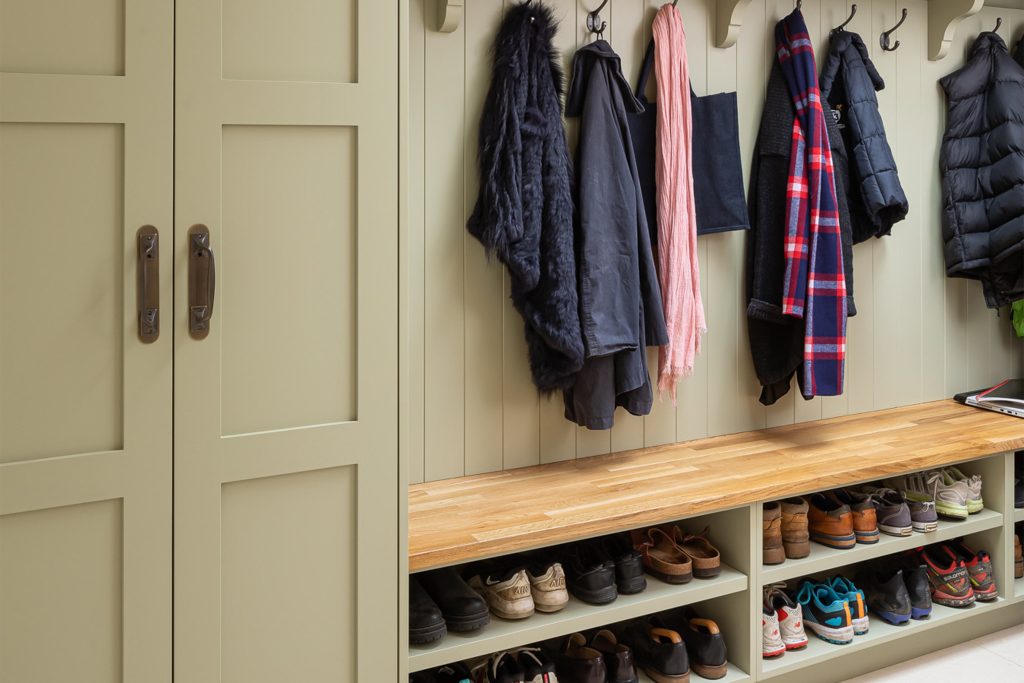
Beyond the kitchen, built-in seating plays an essential role in transitional spaces such as boot rooms, utility rooms and hallways.
A simple bench can transform how these spaces function, providing somewhere to sit, organise belongings and create a sense of arrival within the home. Integrated storage beneath seating keeps shoes, bags and everyday essentials neatly out of sight, while hooks and shelving ensure everything has its place.
The result is a space that feels calm, organised and intentionally designed, even in the busiest parts of the home.
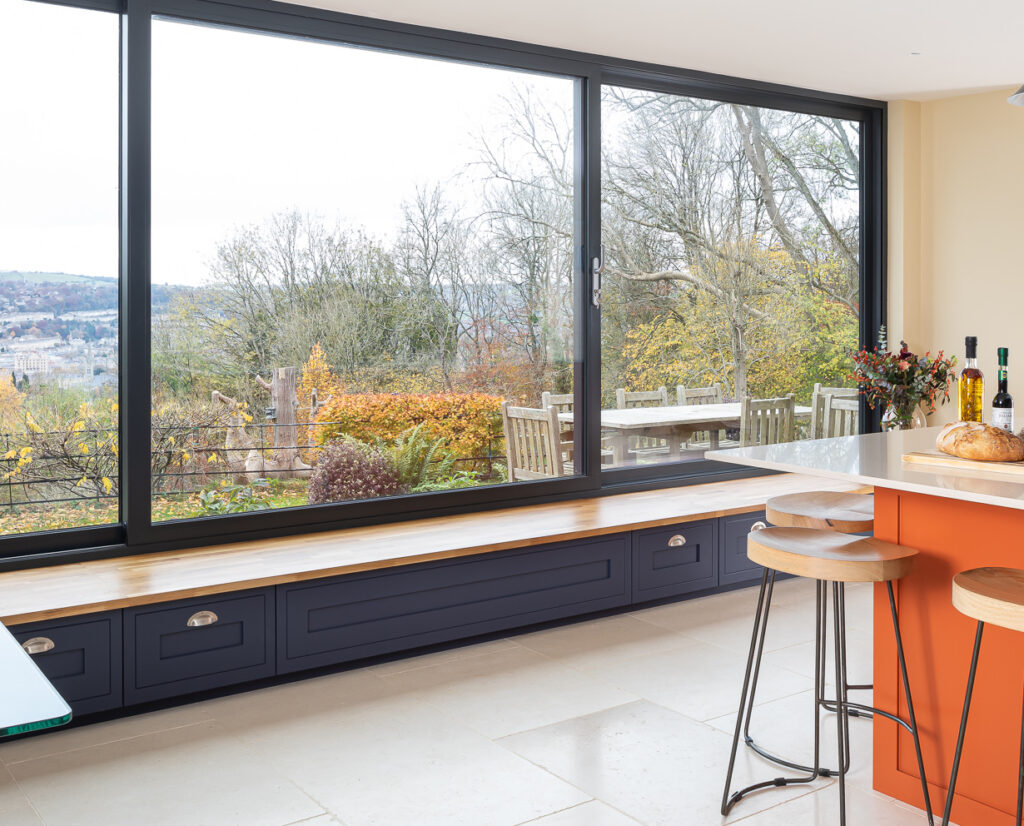
Window seating is one of the most effective ways to transform underused areas into something both beautiful and functional.
Positioned to capture natural light, a built-in window seat creates a quiet place to read, relax or enjoy a moment of pause.
In dining areas, it offers flexible seating that adapts easily for guests, while in living spaces it introduces softness and comfort without the need for additional furniture.
Attention to detail, from precise measurements to seamless joinery, ensures the seating feels fully integrated into the architecture of the room.
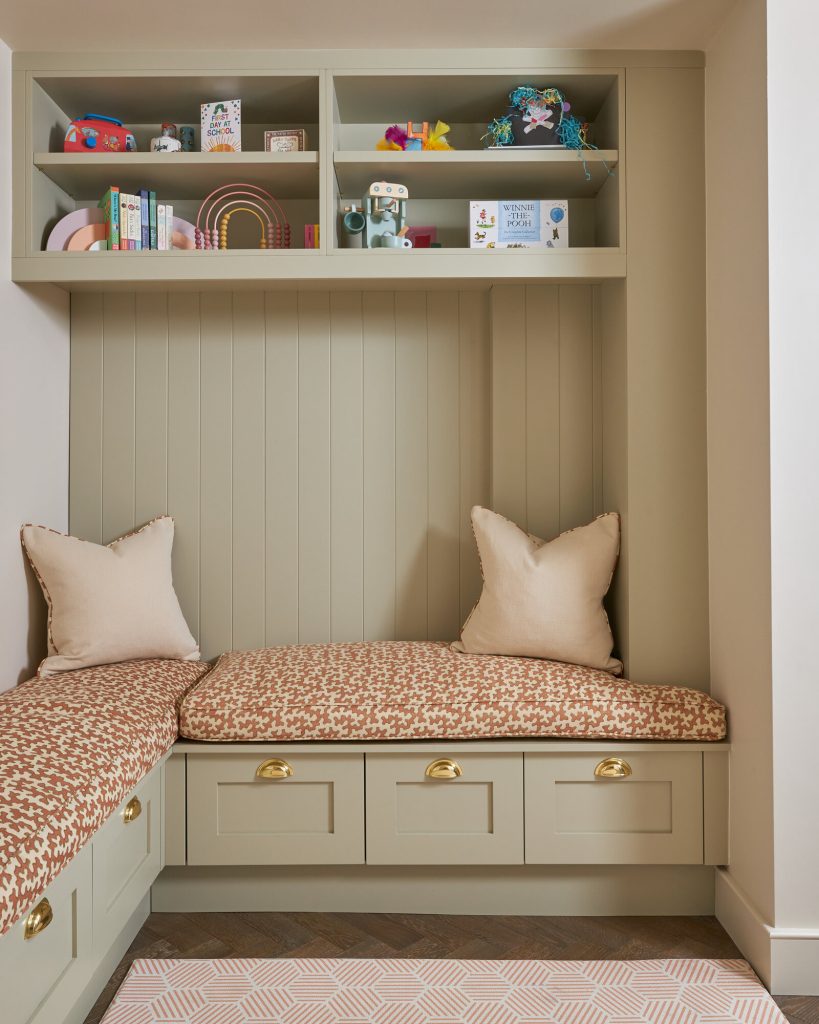
Built-in corner seating isn’t limited to kitchens or dining areas, it can play an equally valuable role in relaxed living spaces, particularly in family rooms or TV areas.
In homes where space needs to work harder, integrating seating around a media wall or within a snug creates a comfortable, informal setting for everyday living. Whether used for watching television, reading or giving children a place to unwind, corner seating introduces both practicality and softness to the room.
By combining seating with concealed storage beneath, toys, books and blankets can be neatly tucked away, helping to maintain a calm, uncluttered environment, even in busy family spaces.
Soft upholstery and layered cushions make the area feel inviting and adaptable, while the built-in nature of the design ensures it feels considered and fully integrated, rather than added as an afterthought.
The result is a space that supports how the home is truly used, relaxed, functional and designed for real life.
Built-in seating offers a unique combination of practicality and design flexibility, making it suitable for almost every space in the home.
It allows you to:
From kitchens and dining areas to hallways, bedrooms and living spaces, integrated seating adapts to the way you live, enhancing both comfort and functionality.
Where can built-in seating be used in the home?
Built-in seating can be used in kitchens, dining areas, hallways, boot rooms, living rooms, bedrooms and even under staircases.
Is built-in seating good for small spaces?
Yes , it’s one of the most effective ways to maximise space, as it combines seating and storage in one solution.
What is banquette seating?
Banquette seating is a built-in bench, often positioned against a wall or in a corner, commonly used in kitchens and dining areas.
Can built-in seating include storage?
Yes, integrated drawers, lift-up lids or concealed compartments are commonly included.
At John Lewis of Hungerford, built-in seating is designed as part of a wider, considered approach to the home; not as an afterthought, but as an integral architectural feature.
Each design is tailored to suit your space, ensuring materials, proportions and finishes work in harmony with the surrounding cabinetry and layout. Whether incorporated within a kitchen, boot room or living space, integrated seating enhances both how your home looks and how it functions.
If you are considering built-in seating, our designers can guide you through the possibilities, helping you create a space that feels both beautifully resolved and effortlessly practical.
Explore our collections by downloading our brochure or booking an appointment today. With over 50 years of expertise, we guarantee quality, craftsmanship and timeless design.
We value your privacy
We use cookies to enhance your browsing experience, serve personalized ads or content, and analyze our traffic. By clicking “Accept All”, you consent to our use of cookies.


